The Spiritual Meaning of the Name Muhammad
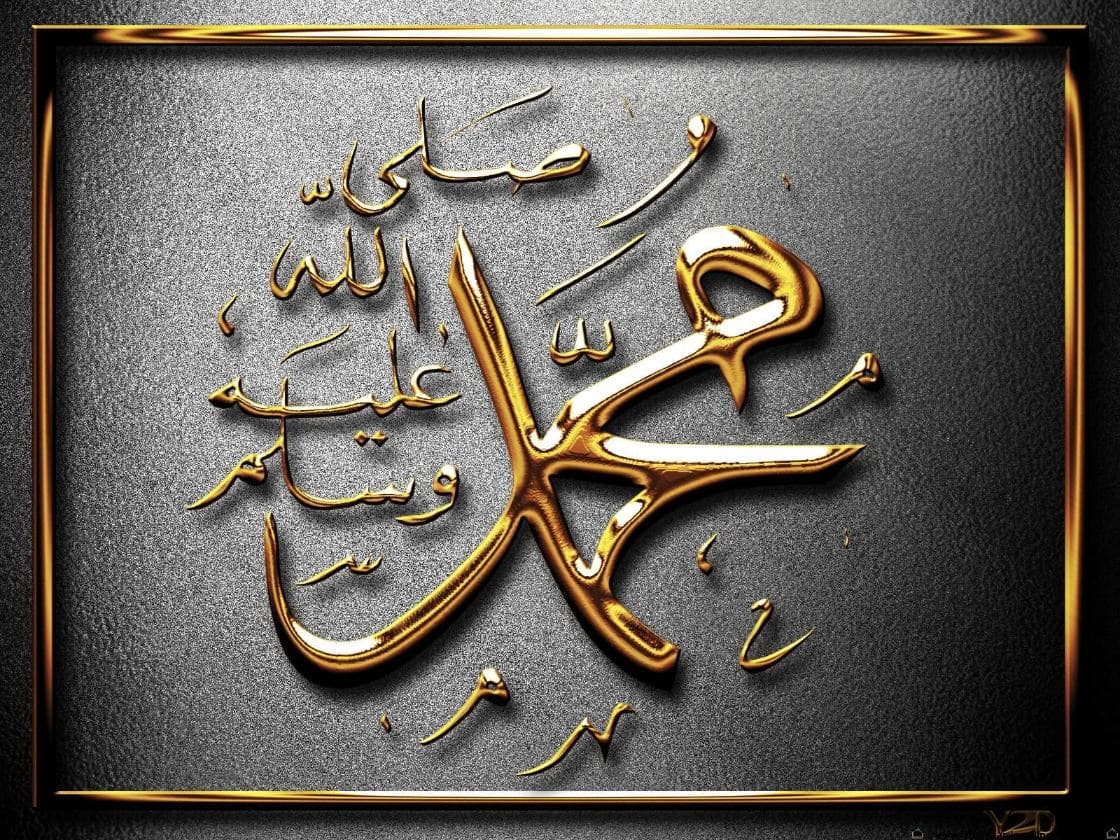
Choosing a name for a child is one of the first, most significant acts of love a parent performs. In Islamic tradition, a name is not merely a label; it is a prayer, a hope, and a defining characteristic that a child will carry for a lifetime. Among all the beautiful names in the Arabic language, one stands unparalleled in its spiritual weight and historical resonance: Muhammad (محمد).
It is the most popular name in the world, a testament to the love and reverence over a billion Muslims hold for the final Prophet of Islam, Muhammad ibn Abdullah (peace and blessings be upon him). But what is the deep spiritual meaning behind this blessed name? Why has it been the choice of countless parents for over 1,400 years? Let's explore the profound layers of meaning encapsulated in the name Muhammad.
The Literal Meaning: “The Praiseworthy”
The name Muhammad originates from the three-letter Arabic root Ḥ-M-D (ح-م-د), which revolves around the concept of ‘praise’. The very act of praise in Arabic is hamd. From this single root, several powerful names emerge, each with a subtle yet distinct meaning:
- Hamid: The one who praises.
- Mahmud: The one who is praised.
- Ahmad: The one who is most praiseworthy, or the one who praises God the most.
Muhammad is a specific form of the name that means “the repeatedly praised one” or “the one who is endowed with praiseworthy qualities.” It implies a continuous, ongoing state of being praised by God, by the angels, and by humanity. This isn't a name that describes a single act of praise, but rather a constant state of being worthy of it. It beautifully encapsulates the essence of the Prophet’s character—a man whose integrity, compassion, and wisdom earned him praise even from his staunchest opponents, who called him Al-Amin (the Trustworthy) long before his prophethood.
The Qur’anic Significance of the Name
The name Muhammad is mentioned by name four times in the Holy Qur'an, cementing its divine importance. Each mention confirms his role as the final Messenger of God, chosen to deliver the ultimate guidance to humanity.
“Muhammad is not the father of any of your men, but he is the Messenger of Allah and the Seal of the Prophets. And ever is Allah, of all things, Knowing.” (Qur'an 33:40)
This verse not only names him but also defines his mission and finality. Another powerful mention is in Surah Al-Fath:
“Muhammad is the Messenger of Allah; and those with him are forceful against the disbelievers, merciful among themselves...” (Qur'an 48:29)
Interestingly, the Qur'an also refers to him as Ahmad, which, as we've seen, comes from the same root. This occurs in the context of the prophecy of Jesus (‘Isa), peace be upon him:
“And [mention] when Jesus, the son of Mary, said, ‘O children of Israel, indeed I am the messenger of Allah to you confirming what came before me of the Torah and bringing good tidings of a messenger to come after me, whose name is Ahmad.’” (Qur'an 61:6)
Many Islamic scholars interpret this to mean that while his earthly name was Muhammad, his heavenly name, the name by which he was known among the prophets, was Ahmad—the most praiseworthy.
A Name of Blessing and Barakah
In Islamic culture, the name Muhammad is considered to be imbued with barakah, or divine blessings. Naming a child Muhammad is often done out of a deep love for the Prophet and a desire to receive the blessings associated with his name and character. It is an act of devotion and a way of keeping the memory and example of the Prophet alive in one's home and family.
Many traditions and sayings highlight the virtues of this name. While the authenticity of some narrations is debated, the collective sentiment is clear: there is a special honor and grace in carrying the name of the Beloved of God. The intention behind the naming is paramount. Parents who choose this name do so with the prayer that their child will be protected, guided, and blessed, and that the name will serve as a constant reminder to emulate the Prophet’s noble character.
The Character Embodied by the Name
For parents, the spiritual meaning of a name is often tied to the qualities they hope their child will develop. The name Muhammad is a universe of admirable traits. It is a prayer for a child to grow into a person who is:
- Trustworthy (Al-Amin): Known for honesty and integrity in all dealings.
- Truthful (As-Sadiq): A person whose word is their bond.
- Compassionate (Rahmah): Showing mercy and kindness to all of creation, as the Prophet was sent as a “mercy to the worlds.”
- Patient (Sabr): Exhibiting forbearance and resilience in the face of adversity.
- Humble: Possessing humility despite being honored and praised.
- Just: Upholding fairness and standing for the rights of the weak and oppressed.
Naming a son Muhammad is therefore not just a cultural or religious tradition; it is a profound spiritual aspiration. It is a parent’s hope that their child will live up to the praiseworthy qualities that the name signifies, becoming a source of good for their family, community, and the world.
Variations and Related Names
The love for the name Muhammad has led to its adoption and adaptation across cultures. You might encounter variations like:
- Mehmet: A common Turkish form.
- Mamadou: Widely used in West Africa.
- Magomed: Common in the Caucasus region, like Chechnya and Dagestan.
These variations, along with the etymologically related names like Ahmad, Mahmud, and Hamid, all point back to the same blessed root of ‘praise,’ offering parents a beautiful family of names to choose from.
Choosing the Name Muhammad Today
In a world of fleeting trends, the name Muhammad remains timeless. Its enduring popularity is a testament to its powerful spiritual foundation. For a parent today, choosing this name is a conscious decision to connect their child to a rich heritage of faith, ethics, and exemplary character.
It is also a beautiful responsibility. It encourages parents to teach their son about the life and teachings of Prophet Muhammad (peace and blessings be upon him), so that the child understands the honor of his name and is inspired to embody its meaning. The name becomes the first lesson in a lifelong journey of learning and striving to be ‘praiseworthy’ in the sight of God and humanity.
In conclusion, the name Muhammad is far more than a collection of sounds. It is a declaration of praise, a link to the divine, a historical legacy, and a deeply personal prayer for a child’s character. It is a name that carries with it the hope of blessing, the weight of a noble example, and the simple, beautiful meaning of being the “praised one.”